An Ndutu Migration Safari: The Calving-Season Guide
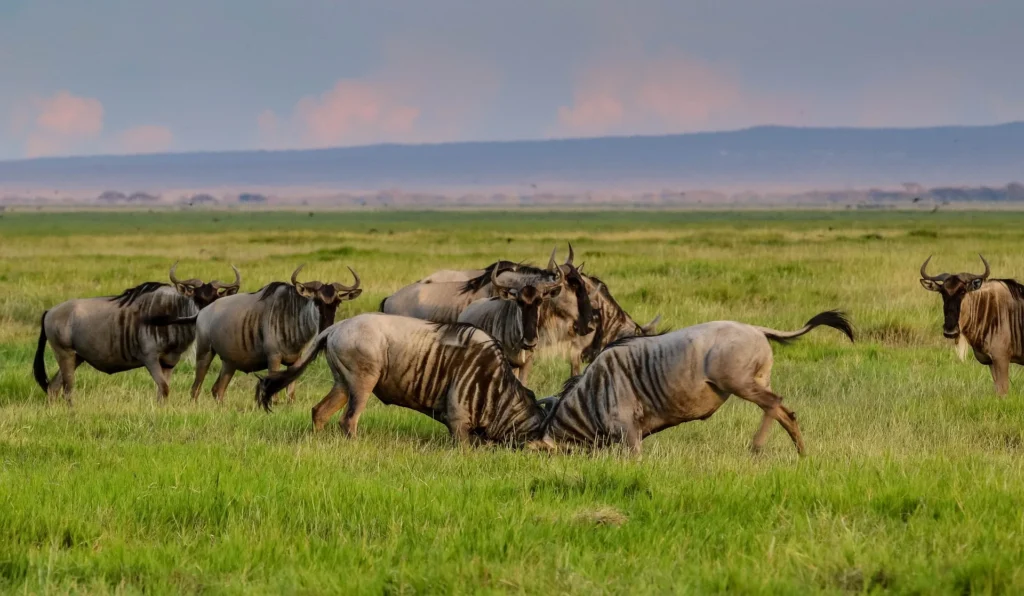
Summary: An ndutu migration safari is really a calving safari. Between January and March the wildebeest gather on the short-grass plains of Ndutu, in the southern Ngorongoro Conservation Area, to give birth, and the cats and hyenas follow them in. Because Ndutu sits in the conservation area rather than the national park, your guide can leave the track and drive across the grass to a sighting, which is the single biggest reason to come here over the central plains. For a five-day double-occupancy trip that bases you in the calving zone and flies you back to Arusha, peak-season rates run from about USD 3,890 to USD 8,920 per person sharing.
Most guides lump Ndutu in with the rest of the southern Serengeti, and on a map it looks like one more dot on the circuit. It isn’t. For about ten weeks a year this corner of grass and acacia is where most of the wildebeest population is born, the southern start of the Great Migration, and the calendar for getting it right is measured in weeks, not months. Pick your dates and your sector badly and you can spend the trip a three-hour drive from the herds. Get them right and you watch the whole drama of birth and ambush from a vehicle that’s allowed to leave the road.
The Calving Window, Week by Week
Calving Window | Savanna Highlight | Pro Visitor Strategy |
Early to Mid-Jan | Lush green plains; quiet crowds | Enjoy space before peak births begin |
Late Jan to Mid-Feb | Calving peak; 8,000 births daily | Book early for prime predator action |
Late Feb to Mar | Active calves; herds dispersing | Lower crowds; excellent mobile viewing |
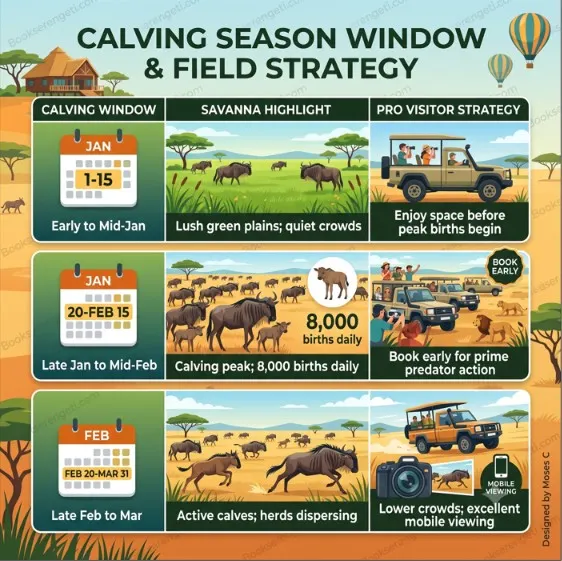
“January to March” is too blunt to book a once-in-a-lifetime trip on. The season comes in three stages, and which one you want decides your exact dates.
Early to mid-January, the arrival. The short rains have greened the plains and the herds pour down from the north to feed. It’s lush and quiet, the births haven’t started in earnest, and you have space to yourself.
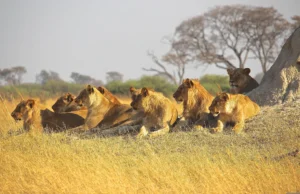
Late January to mid-February, the peak. This is the window. At the height of it the herds drop as many as 8,000 calves a day, and the predators barely have to hunt. Lion, cheetah, hyena and the occasional leopard work the same plains at once. It is also the busiest and priciest fortnight, so book it well ahead.
Late February into March, the dispersal. The calves can run now, the short grass is grazed down, and the herds start drifting toward the next leg of the loop. Sightings stay excellent and the crowds thin.
Know your dates already? Send them to our Arusha team and we’ll check Ndutu availability for that exact week through our safari booking form.
Where the Action Is
Ndutu isn’t one place. It’s a handful of very different habitats within a short drive of each other, and knowing which one is holding the herds on a given morning is the guide’s real job.
The Big Marsh and Small Marsh. Spring-fed and green even when the open plains brown off, the marshes hold a well-known pride of marsh lions, hyena clans that move in to scavenge afterbirth through the calving, and leopards that lie up in the flat-topped acacias along the edges.
The twin lakes, Ndutu and Masek. Both are shallow and soda-alkaline, their shorelines often pink with flamingos. The low ridges above the water make natural lookouts, and cheetah use them exactly the way you’d hope, sitting up to scan the flats for a calf that has wandered too far from its mother.
Hidden Valley. A shallow depression south of the lakes that holds water longer than anywhere around it. As the surrounding flats dry out it pulls everything in, and some of the most dramatic predator-prey ambushes of the season happen right at its waterline.
Why Off-Road Matters
In the Serengeti national park the rule is simple: keep your tyres on the track. Spot a leopard fifty metres off through the grass and you admire it through binoculars. Ndutu plays by different rules, because it sits inside the Ngorongoro Conservation Area, not the park, and there a guide may leave the track and ease across the grass to the animals. For anyone chasing a low, close photograph of a cheetah hunt, that one difference is worth the trip on its own.
There is a catch, and it’s why a good guide earns their keep. The boundary between the conservation area and the national park runs straight across the Ndutu plains, unmarked but for the odd concrete beacon in the grass. Cross it off-road on a Serengeti-only permit and you have a problem with the rangers. A proper operator carries clearance for both zones so your morning never stalls at a checkpoint. Moses watches for those beacons out of habit; follow a hunt long enough and it’s easy to drift over the line without noticing.
One thing that surprises first-timers: this is shared land. Unlike the national park, the conservation area is a multiple-use zone where Maasai families still graze their cattle, so you will see herders and stock moving among the wildebeest. It isn’t a staged cultural stop. It’s simply how Ngorongoro works, and it’s part of what makes Ndutu feel unlike the Serengeti proper.
Self-Drive vs a Guide
Field Risk | Real Savanna Hazard | Guided Field Strategy |
Black Cotton Clay | Wet clay turns into deep slick mud | Drive heavy 4×4 with recovery winch |
Unmarked Borders | Easy to cross park boundary illegally | Carry dual-zone permit clearance |
Off-Road Navigation | Vehicles get stuck off track alone | Travel with guide & recovery radio |
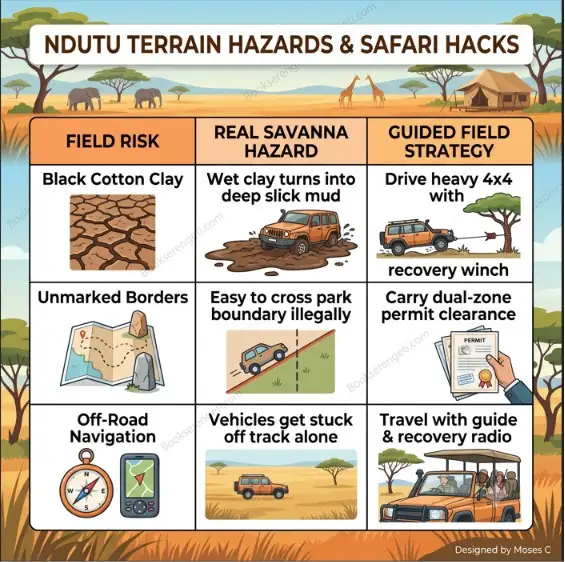
It’s tempting to save money by renting a 4×4 in Arusha and driving yourself, and in some parks that works fine. Ndutu is not one of them. The tracks through the acacia woodland are coarse volcanic ash that drains fast, but the open flats toward Hidden Valley are black cotton clay, and when an afternoon storm hits, that clay turns to grease in minutes. A heavy cruiser that noses off the firm ground sinks to the axles and stays there. A self-driver without a winch, recovery boards, a radio and a second vehicle to call doesn’t get out alone; they wait for someone who has all four. Add the unmarked permit line and the off-road craft the place rewards, and a guided vehicle stops being a luxury and becomes the thing that saves the trip. If budget is the worry, the better lever is group size, which we’ll come to.
The Lodge and the Water
A couple of Ndutu-specific quirks are worth knowing before you arrive.
The water is the big one. The whole basin sits on old volcanic soda, so the groundwater runs highly alkaline, soft and faintly sulphurous. Soap won’t properly lather in it and it can leave a slick feel on the skin. The older lodges use it for showers and laundry only and collect filtered rainwater for drinking; newer camps run reverse-osmosis filters. Pack a few wet wipes for a quick clean-up and don’t let the smell put you off.
The classic base out here is Ndutu Safari Lodge, a former hunting camp from the 1960s where Jane Goodall and the wildlife filmmaker Hugo van Lawick stayed while working in the area. Its dining room keeps a resident family of large-spotted genets that come down into the rafters every evening, probably the most photographed genets in Africa, and Fischer’s lovebirds nest just outside the bar. Nothing is fenced, so a guard walks you to your cottage after dark, and the dik-diks drift up to the campfire for dropped popcorn. One genuinely useful tip from regulars: knock your shoes out before you put them on, because the odd scorpion shelters in them overnight.
What It Costs
Below is a realistic 5-Day/4-Night calving itinerary for two sharing a private 4×4, with single nights near Tarangire and the Ngorongoro Crater on the way in and two nights in the Ndutu sector itself. Non-resident USD per person.
5-Day Double-Occupancy Safari Packages
Package Tier | 5-Day Rate (Per Person Sharing) | Camps: Tarangire / Crater / Ndutu |
USD 3,890 | Sangaiwe Tented Lodge / Karatu Simba Lodge / Africa Safari South Serengeti | |
Mid-Range Classic | USD 4,750 | Maramboi Tented Camp / Rhino Lodge / Ndutu Safari Lodge |
USD 5,980 | Lemala Mpingo Ridge / Ngorongoro Serena / Lake Masek Tented Camp | |
Luxury Plus Ultra | USD 8,920 | Sanctuary Swala Camp / andBeyond Crater Lodge / Mwiba Lodge |
Optional add-on: a sunrise hot air balloon flight over the southern plains, USD 600 per person, including the TANAPA permit, the launch, and a champagne breakfast on landing.
Those prices assume two of you to a vehicle. The cruiser, the fuel and the guide are a fixed cost split across the seats, so the per-person rate drops sharply as the group grows. A Mid-Range Classic that runs about USD 4,750 each for a couple can fall to roughly USD 3,200 each once four to six of you share the same vehicle, which is why family and group trips work out so well. Tell us the headcount and we’ll price it properly.
Want dates checked or a tier swapped? Send it through our safari enquiry form and the Arusha office will put real availability against it.
One scheduling note: the peak fortnight is short and the good beds are few. The most popular Ndutu lodges fill a year or more ahead for February, with some repeat guests pencilling dates in eighteen months out, so treat “book early” as literal.
What’s in the price
Most of the rate is the cost of simply being there. The biggest single share is government money: the daily conservation fees for the Serengeti (TANAPA) and the Ngorongoro (NCAA) sides, plus a per-night concession charge, all set by the Ministry of Natural Resources and Tourism and not up for negotiation. The rest covers the things that make the trip work: your own 4×4 with fuel and a guide, every meal, water in the truck, your room on a shared-double basis, and the one-way flight from the Ndutu airstrip back to Arusha. The inclusion people forget to ask about is AMREF Flying Doctors evacuation cover, which matters more here than most places, given how far you are from a hospital.
What you cover yourself is the usual: international flights, your visa, insurance, tips, laundry and bar drinks. For the raw figures, per adult per day with 18% VAT in: USD 82.60 to enter the Serengeti side, USD 59 to 60 a night for the inner concession, and USD 35.40 for a public campsite if you’re travelling lean.
Ndutu Calving FAQ
When exactly is the calving peak?
The fortnight from late January into mid-February. Births hit their daily high then, often thousands across the plains in a single day, and the predators are at their busiest. January is greener and calmer; March still delivers as the herds start to scatter.
How far is Ndutu from Arusha, and can you drive it in a day?
It’s about 335 km (208 miles) to Naabi Hill, then another 5.5 to 6 hours of unpaved track into the Ndutu sector. You can do it in a single long day, but we’d rather break the drive with a night near Tarangire or Karatu so you arrive fresh, or fly one leg.
Is off-road driving really allowed at Ndutu?
Yes. Ndutu falls inside the Ngorongoro Conservation Area, where guides may drive off the track to reach a sighting. That isn’t permitted in the national park sections of the Serengeti, and it’s the main reason photographers favour the calving grounds.
Can we self-drive to save money?
We’d strongly advise against it here. The black cotton clay around the marshes traps vehicles fast in the rains, the permit boundary is unmarked, and recovery without a second vehicle is grim. A shared guided cruiser usually works out cheaper than the rescue anyway.
Does the price drop for a group?
Yes, noticeably. The vehicle, fuel and guide are charged once and split between the seats, so four to six people sharing pay far less per head than a couple. Send us your numbers and we’ll quote the actual per-person rate.
Plan Your Calving-Season Trip
The calving season runs on a tight calendar and a small number of beds, so the move is to pick your window, settle how many of you are travelling, and get the vehicle booked. Send our Arusha team your rough dates and group size through the quote page and we’ll build the Ndutu leg around the peak. If you’re still weighing months, the best time to visit and the full calving-season guide lay out the trade-offs.
Editorial & Fact Check Validation Reviewed by Moses C. – Veteran Wildlife Safari Guide & Operations Manager at BookSerengeti.com.
Welcome to bookserengeti.com
Thank you for visiting us! We're excited to help you plan an unforgettable safari adventure across Kenya.
Latest Safari Posts
Serengeti Migration Safari Packages: 2026/2027 Cost & Itinerary Guide
Serengeti Wildlife Safari Packages: 2026/2027 Price, Big Five & Routes
Serengeti Group Joining Safari Package: 2026/2027 Price & Route Guide